Men and women of the house
People
Military leaders, scholars, churchmen and soldiers: some of the figures who linked the Ruffo name to the history of Italy and Europe.
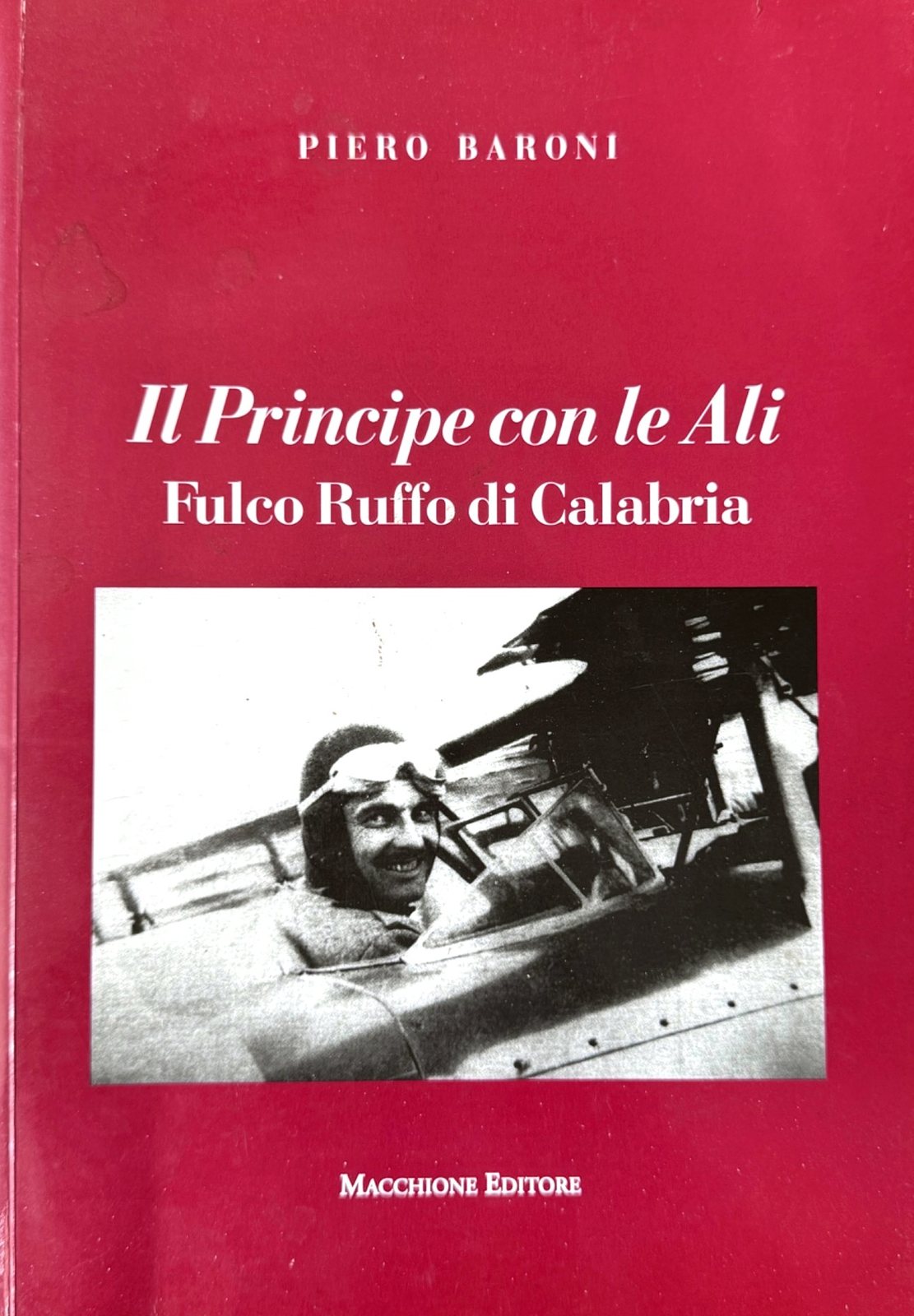
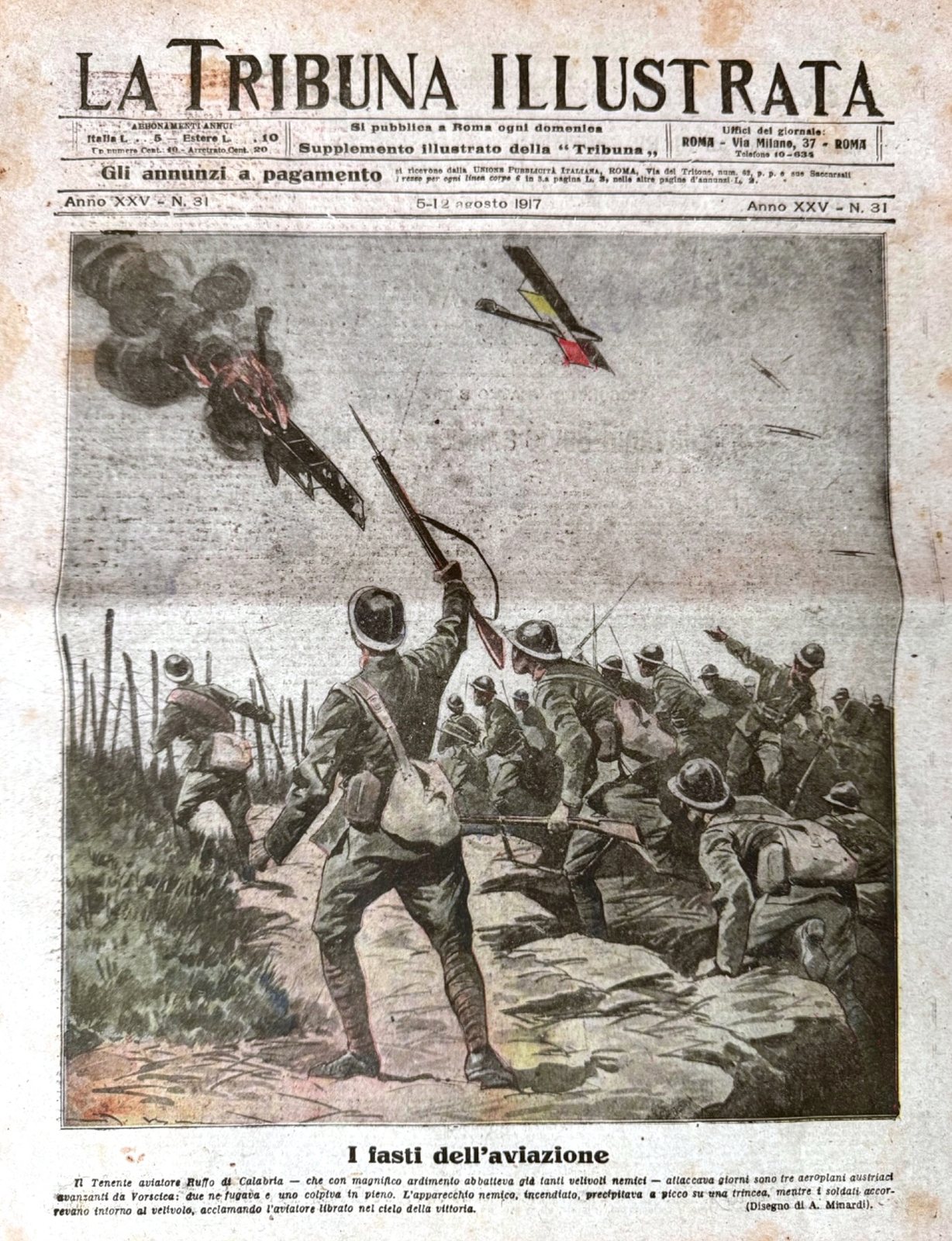
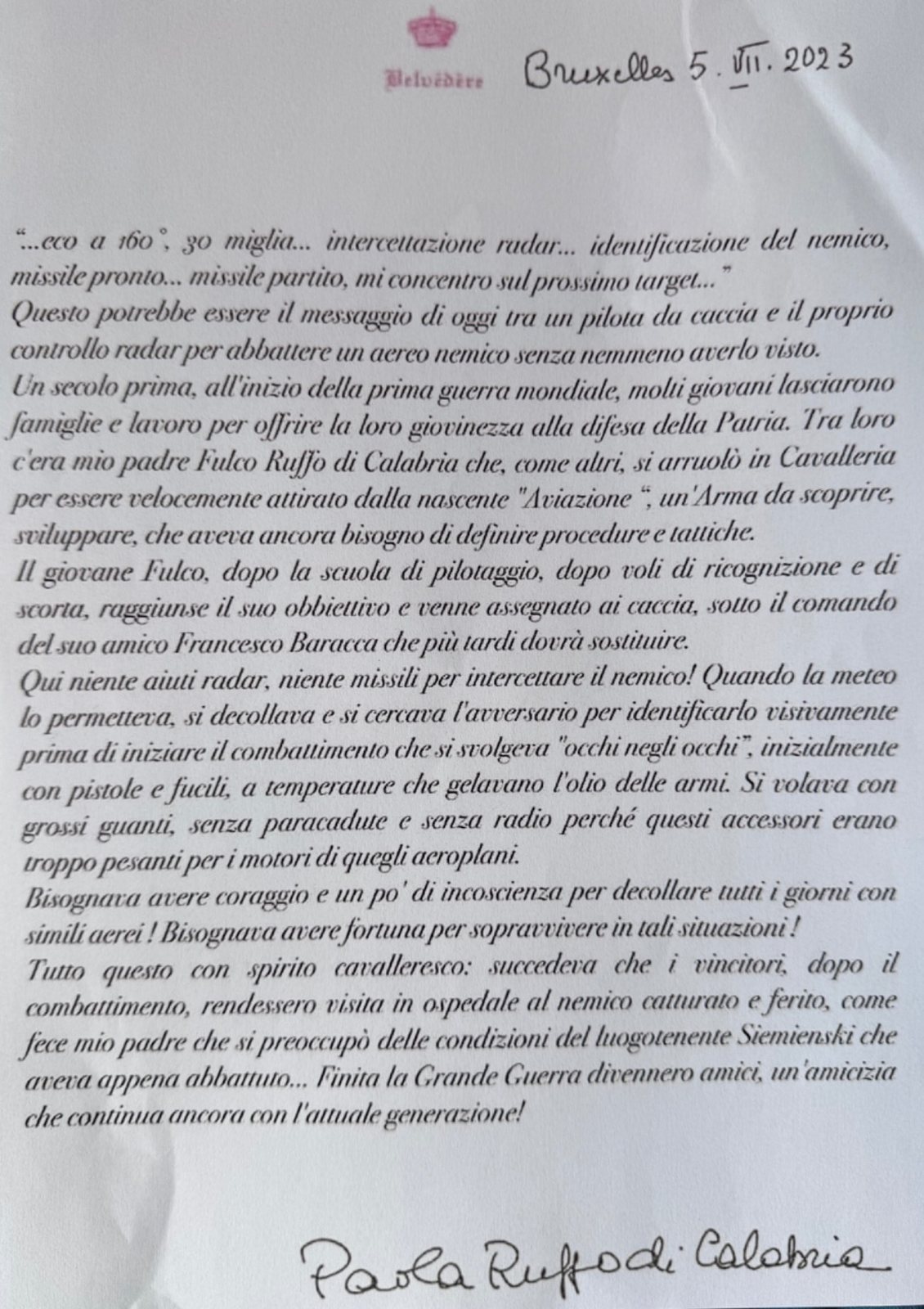
The ace of the black skull
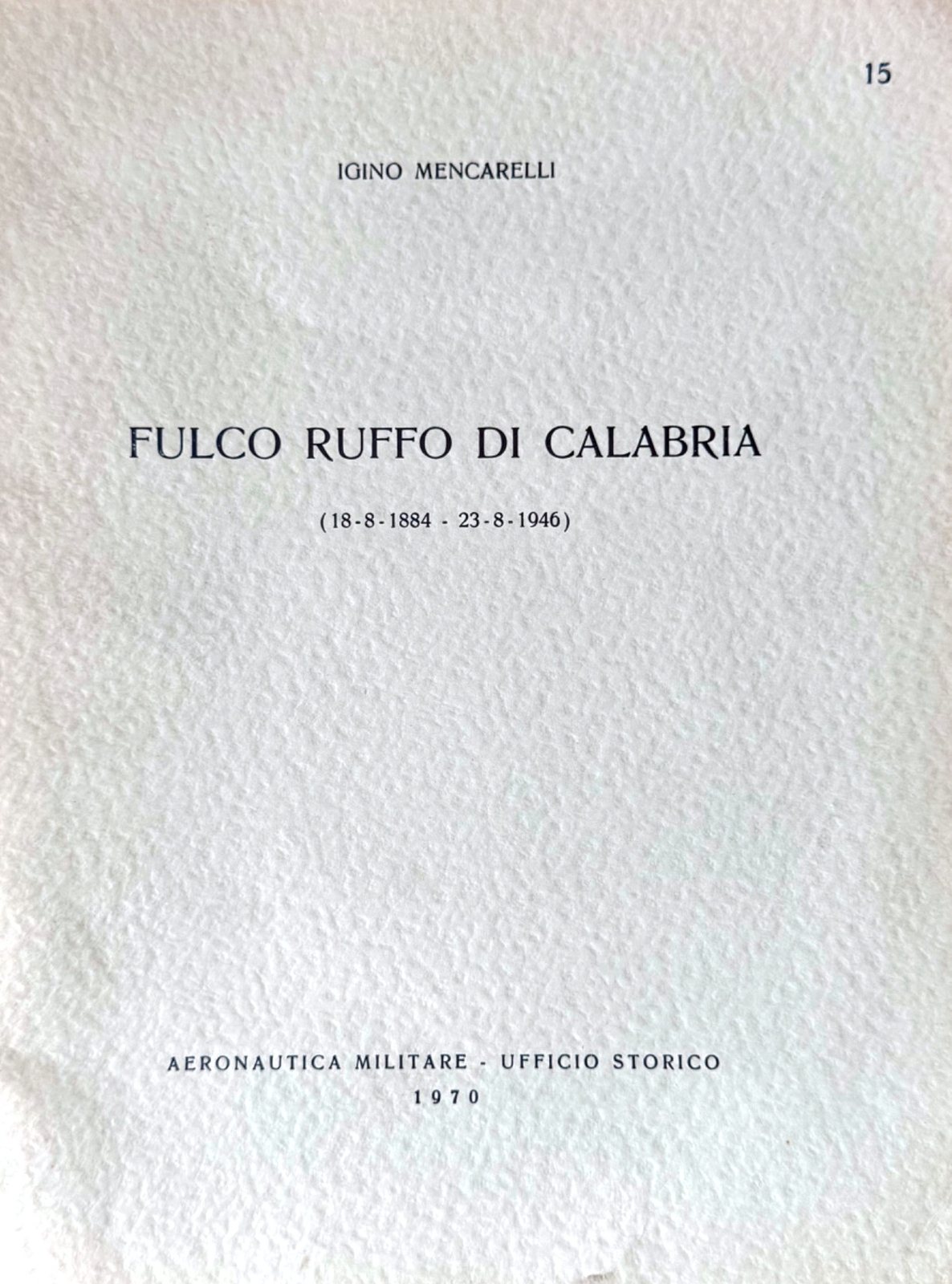
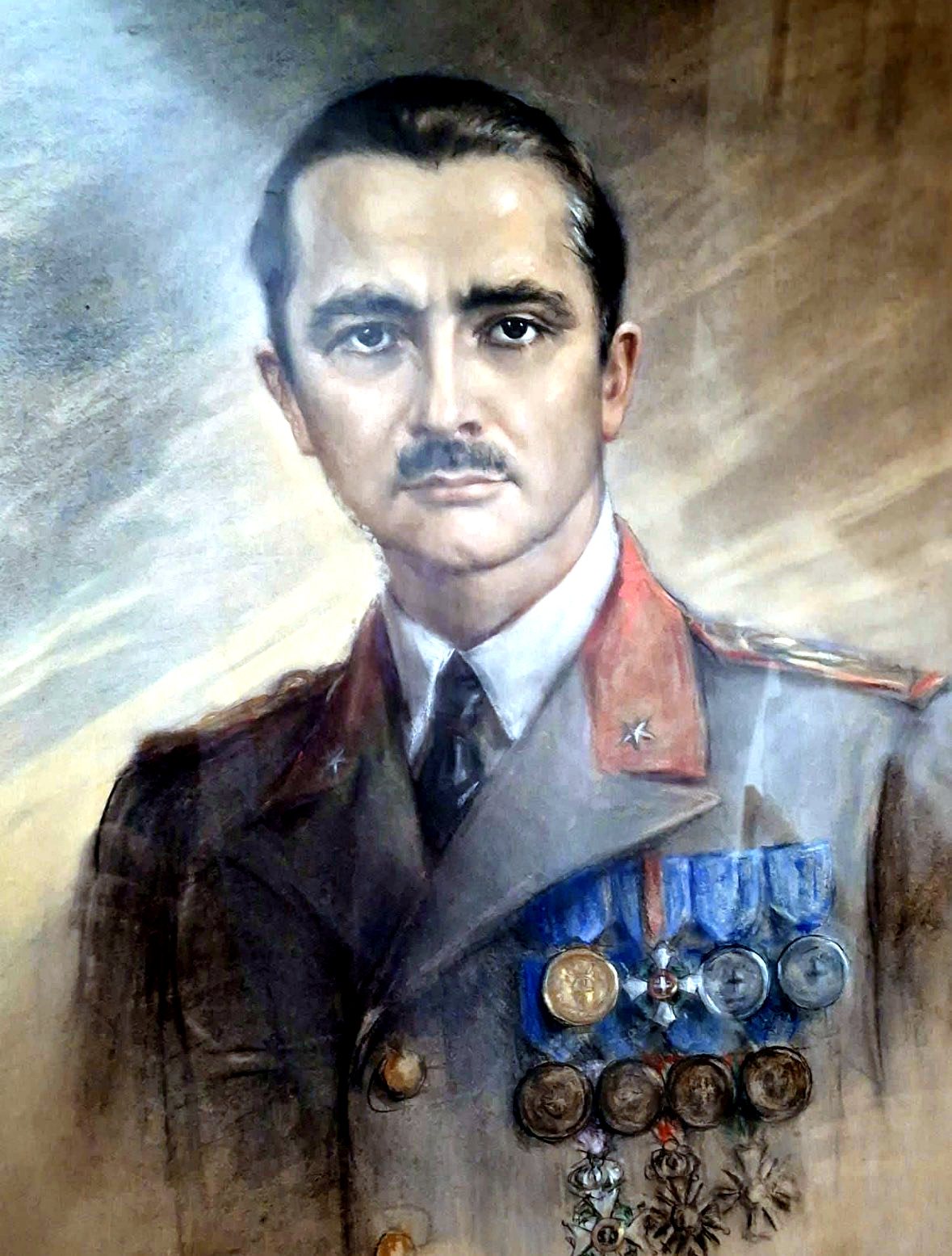
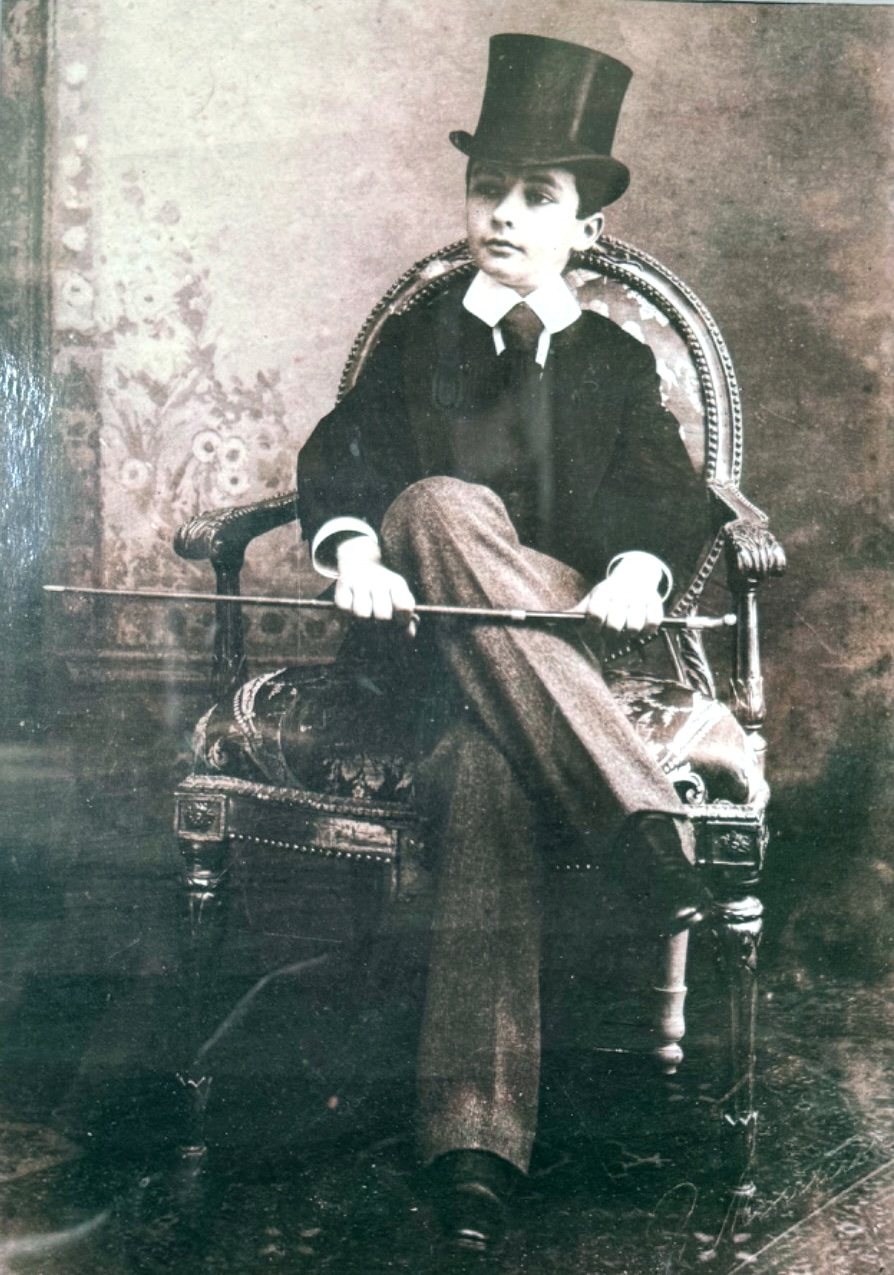
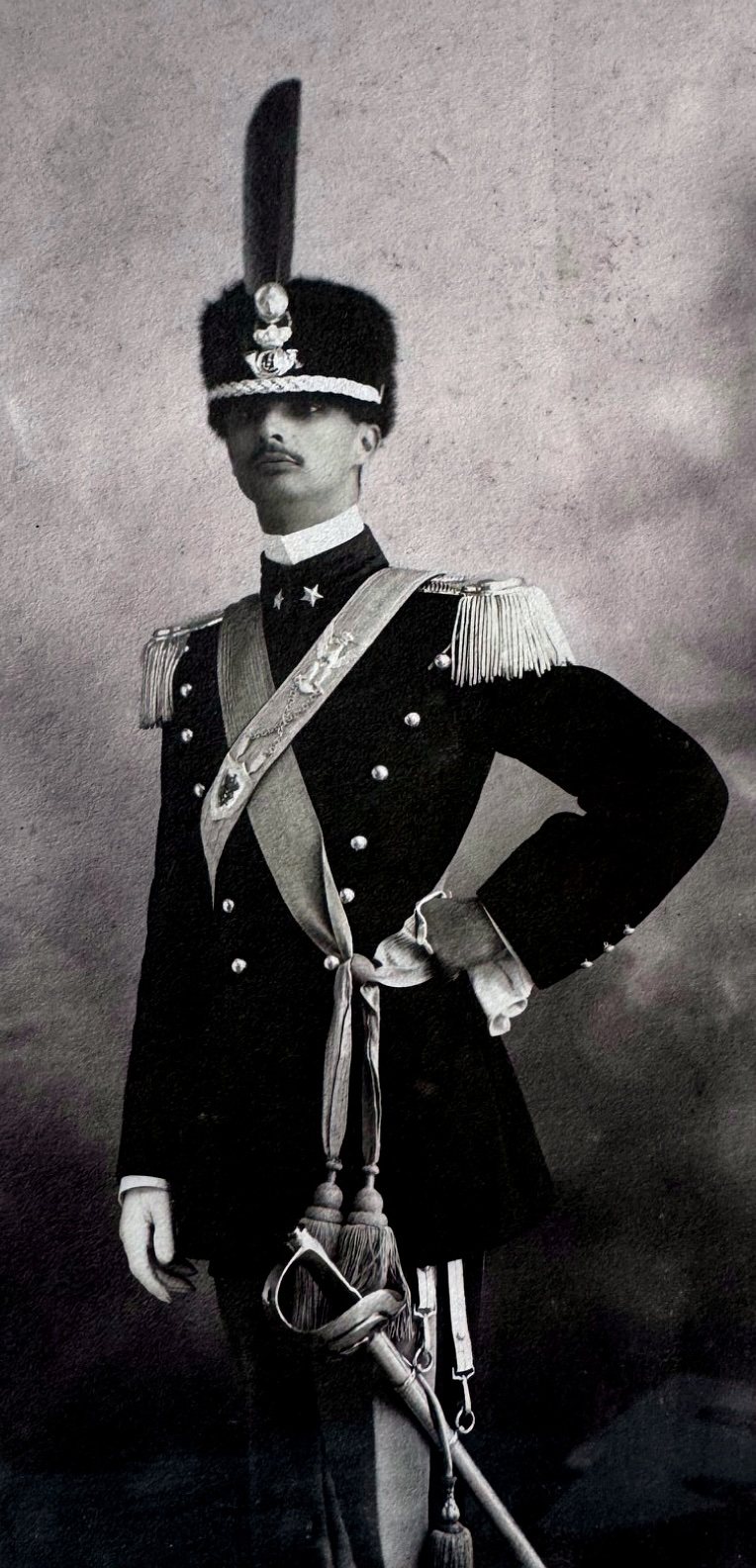
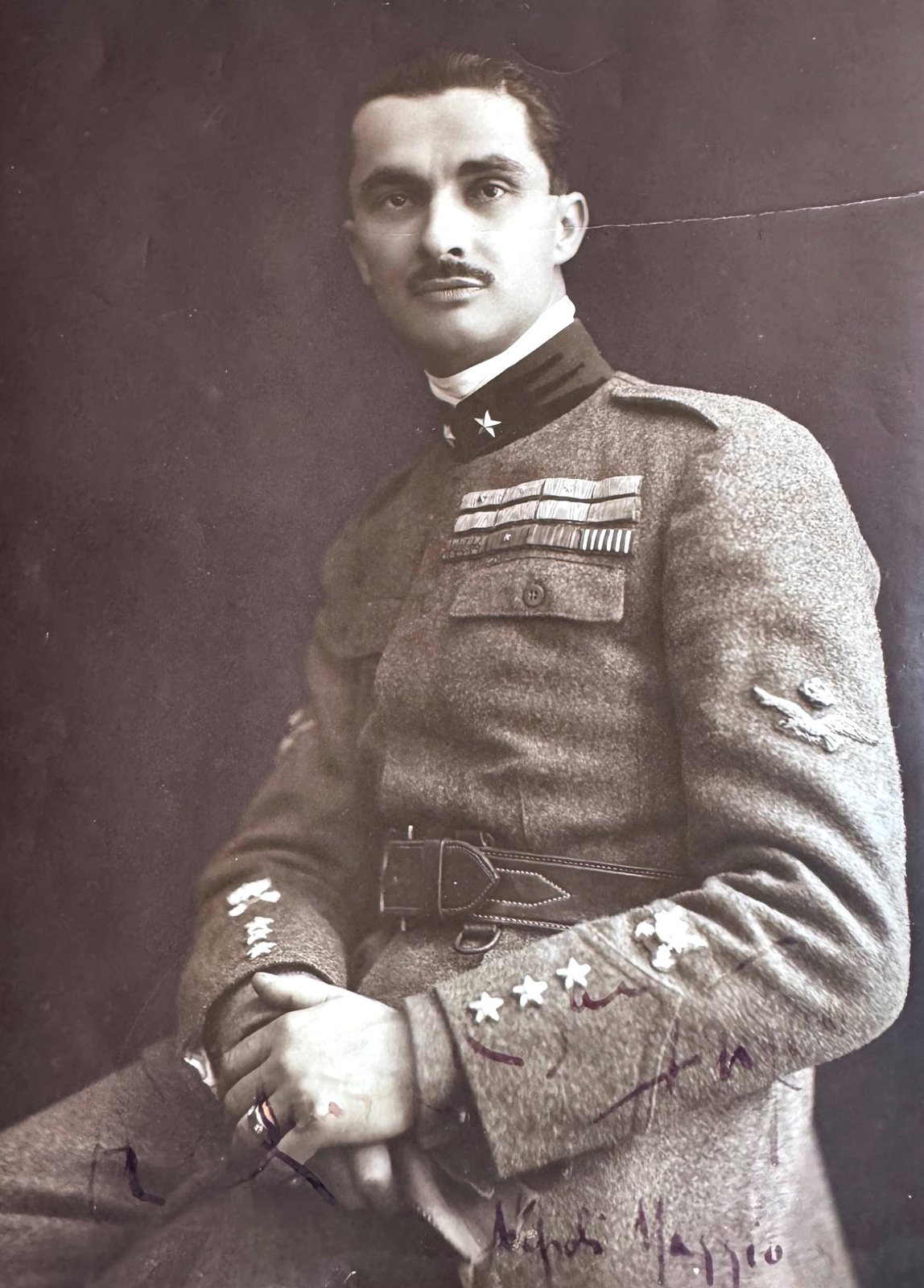
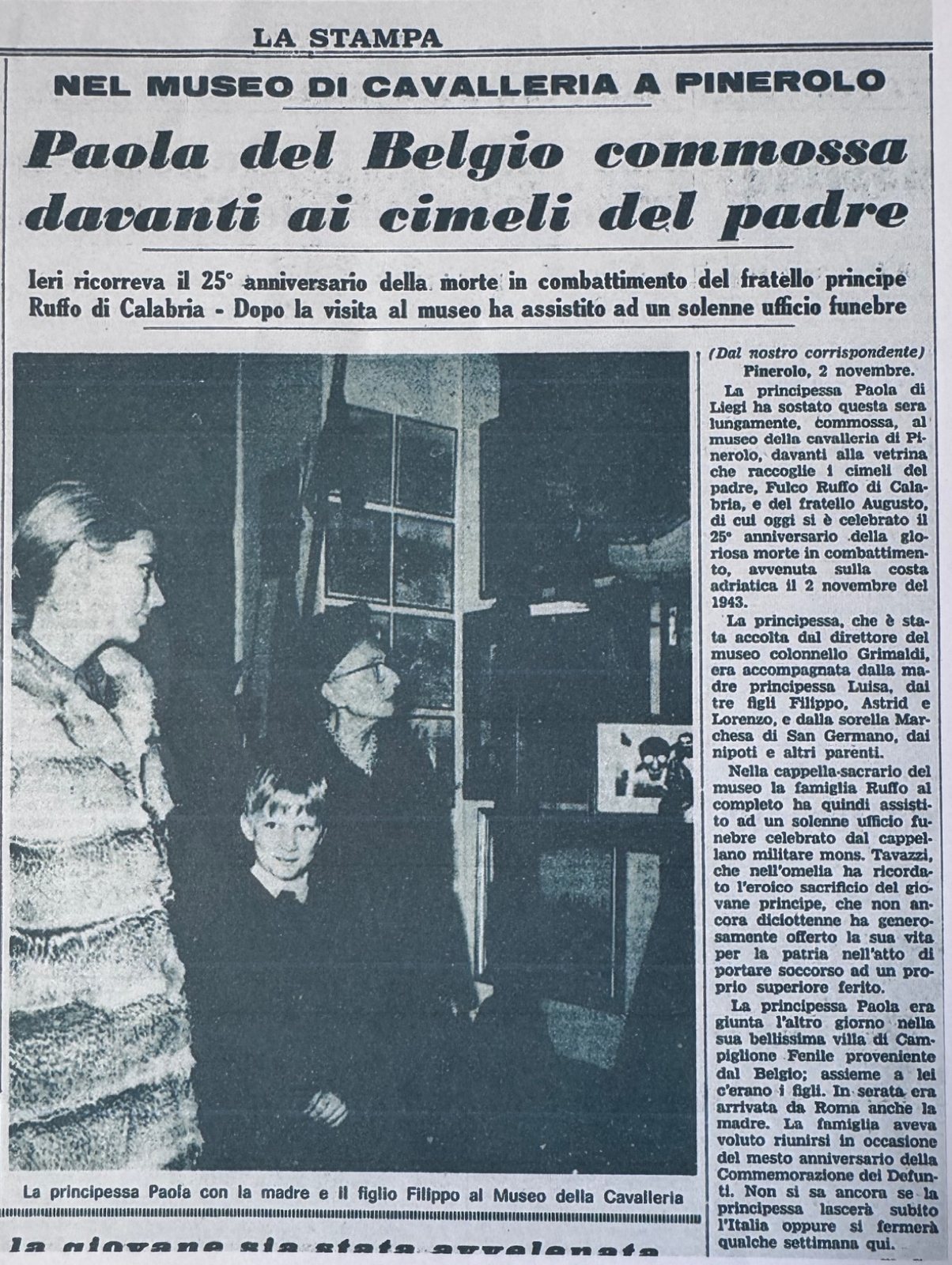
Fulco Ruffo di Calabria
Naples, 12 August 1884 · Ronchi di Apuania, 23 August 1946
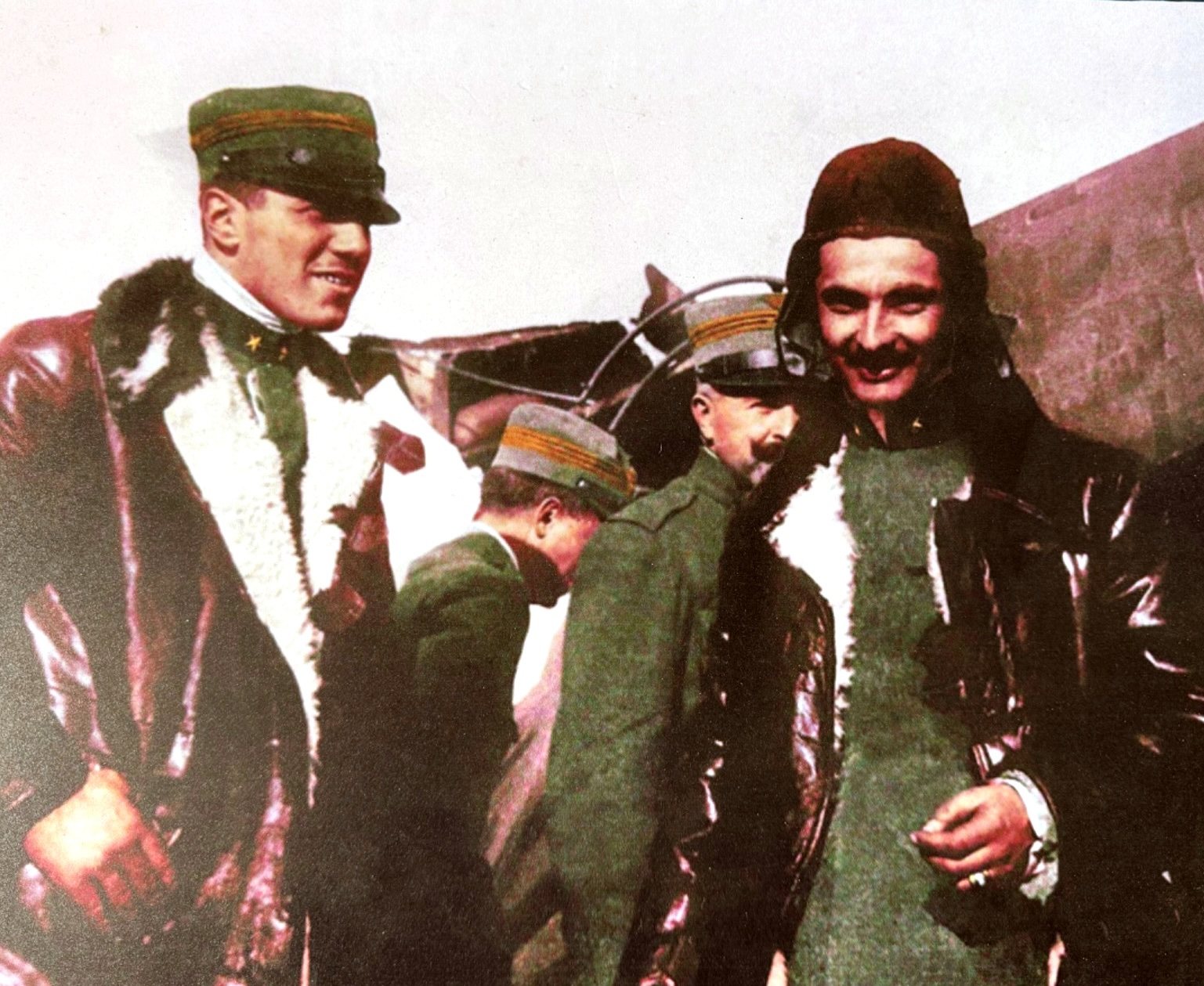
Son of the Duke of Guardia Lombarda and the Belgian noblewoman Laura Mosselman du Chenoy, Fulco served as a young man in the cavalry, in the «Foggia» regiment, and then worked in Africa. When war broke out he moved to the air service and became a pilot in September 1915.
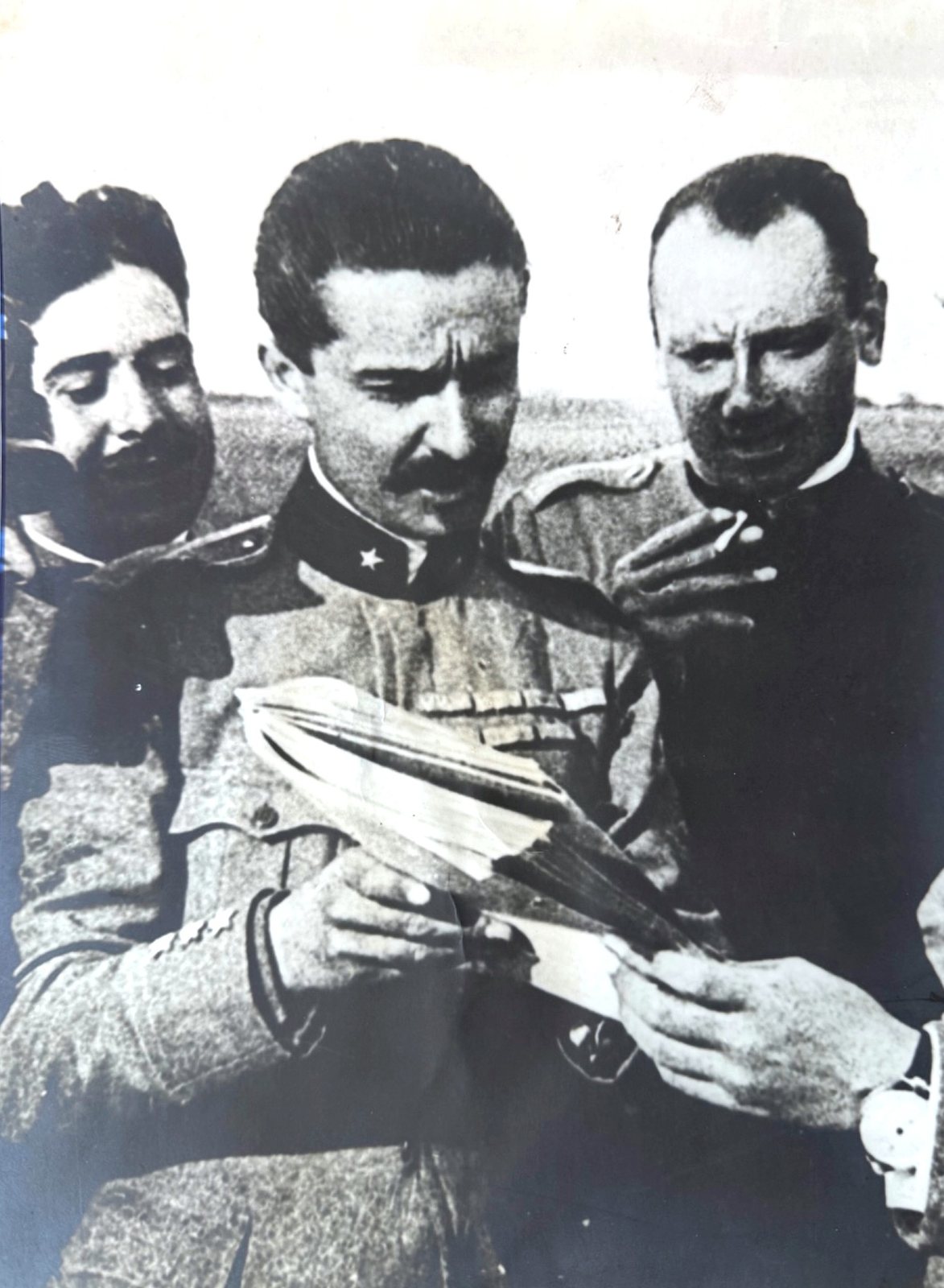
On 23 August 1916 he scored his first victory, shooting down an Austrian observation balloon over Tolmino together with Francesco Baracca and Luigi Olivari. With Baracca he flew in the 91st Squadron, the famous «Squadron of Aces», and took command of it after Baracca's death in June 1918. His fighter carried a black skull as its emblem.
In October 1918 he was forced to land behind enemy lines, but managed to make his way back to the Italian side. After the war he became a senator of the Kingdom. His marriage to Luisa Gazelli of the Counts of Rossana produced seven children.
- Confirmed victories
- 20
- Air combats
- 53
- Unit
- 91st Squadron
- Aircraft
- Nieuport, SPAD VII
- Decoration
- Gold Medal of Military Valour
Read the page on Fulco and the Great War →
Images and documents
Pietro I Ruffo
1188 · Terracina, 1257
General of Frederick II, Count of Catanzaro, Grand Marshal of the Kingdom and Viceroy of Sicily and Calabria. The documented genealogy of the family begins with him. He was murdered at Terracina by an assassin sent by Manfred.
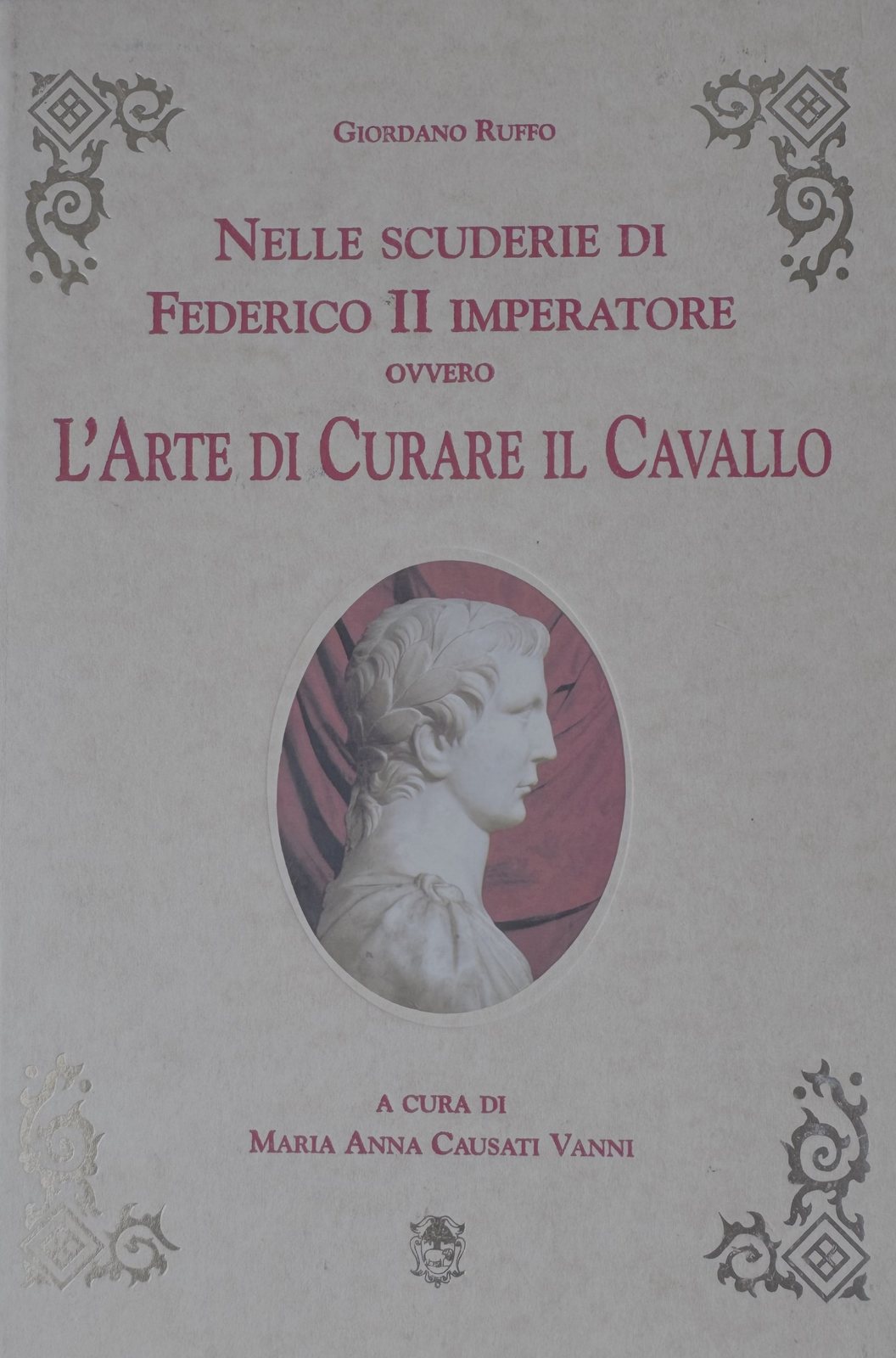
Giordano Ruffo
13th century
A member of Frederick II's court, he wrote the De medicina equorum, a treatise on the care of horses regarded as one of the founding texts of medieval veterinary medicine.
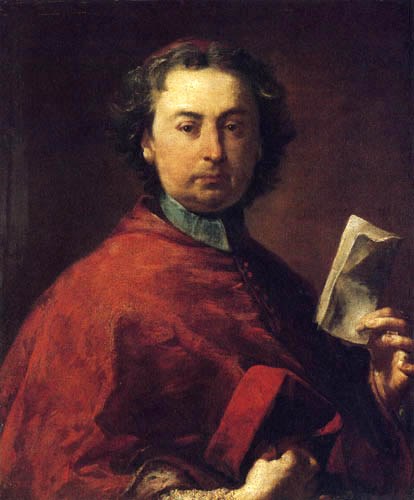
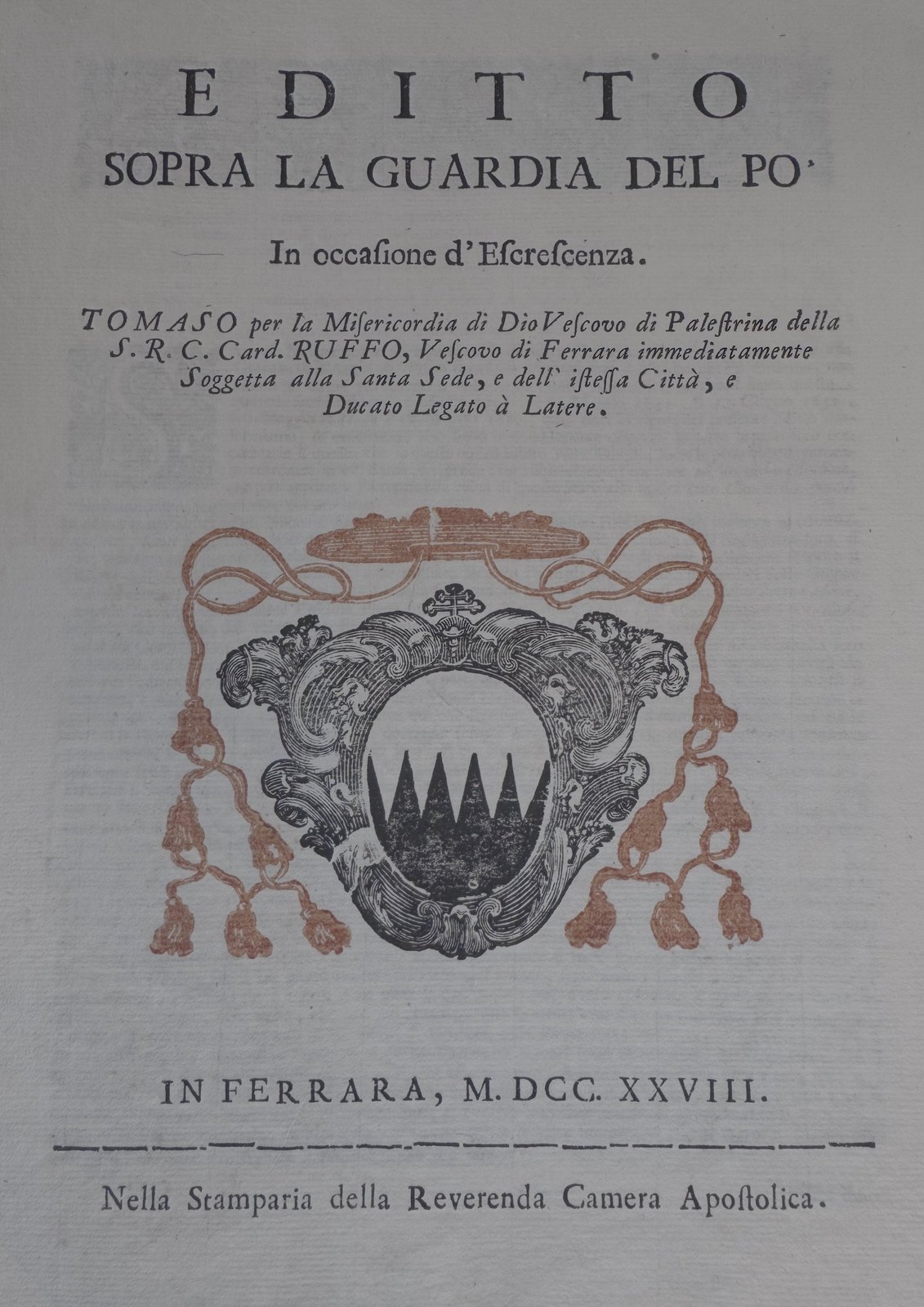
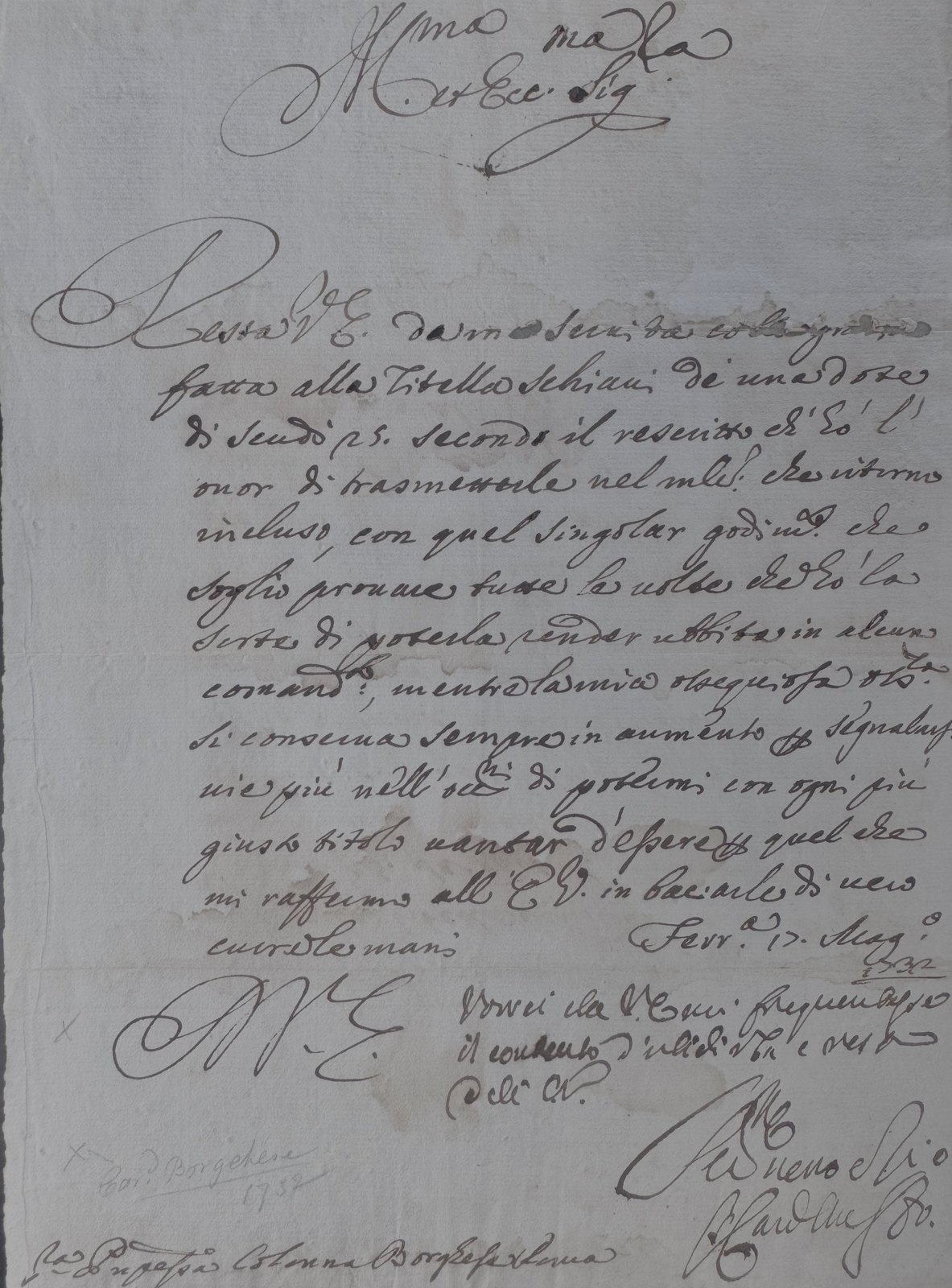
Cardinal Tommaso Ruffo
Naples, 15 September 1663 · Rome, 16 February 1753
Son of Carlo Ruffo, 3rd Duke of Bagnara, he took a degree in civil and canon law at La Sapienza in Rome and entered the papal diplomatic service. In 1698 he was appointed titular Archbishop of Nicaea and Apostolic Nuncio to Florence.
Pope Clement XI created him a cardinal in 1706. From 1717 to 1738 he was Archbishop of Ferrara, then Bishop of Palestrina and of Porto e Santa Rufina. In 1740 he became Bishop of Ostia and Velletri and Dean of the College of Cardinals, the highest office among the cardinals. He took part in four conclaves, from 1721 to 1740.
He died in Rome, in the Palazzo della Cancelleria, at the age of 89, and is buried in the basilica of San Lorenzo in Damaso.
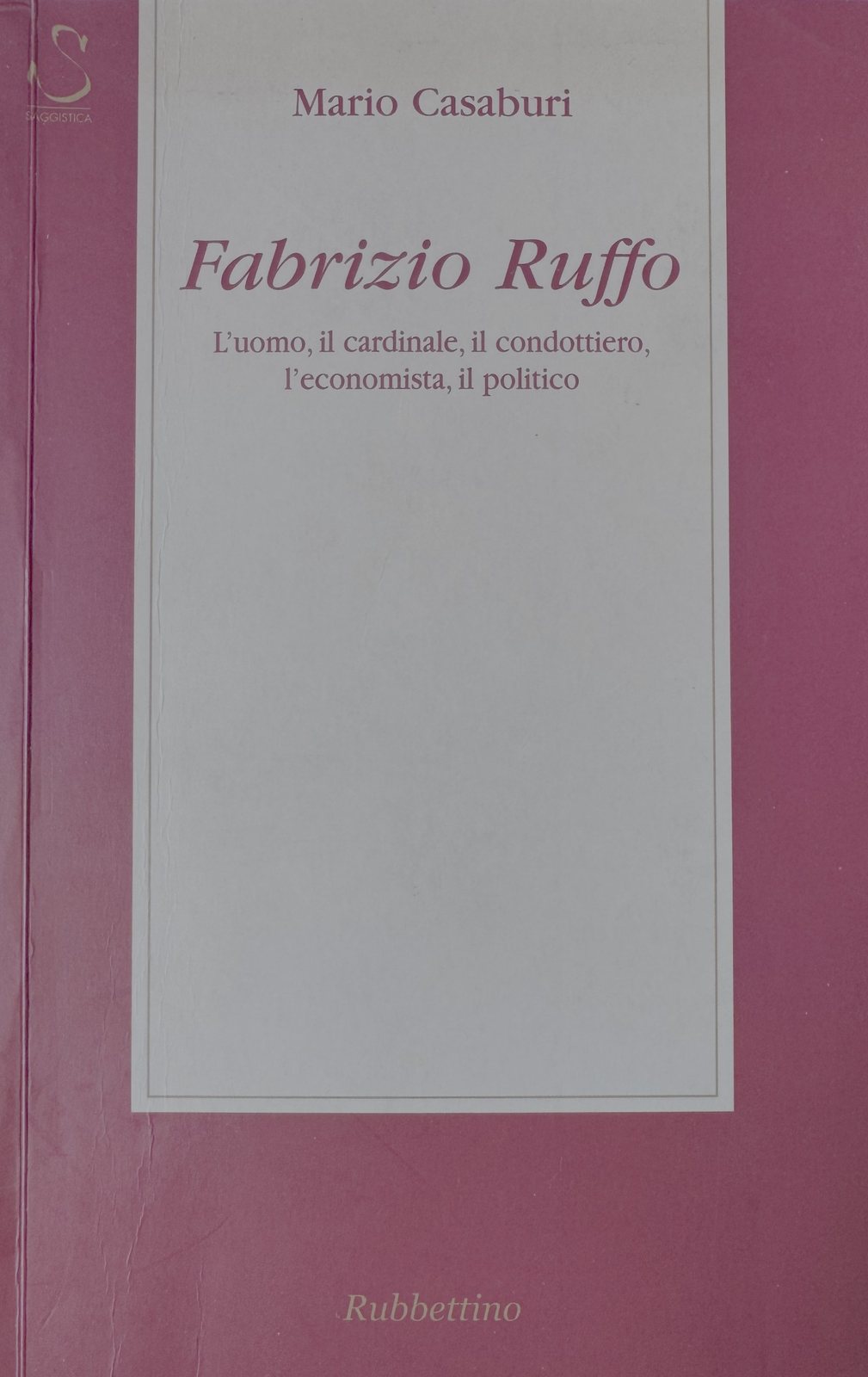
Cardinal Fabrizio Ruffo
San Lucido, 1744 · Naples, 1827
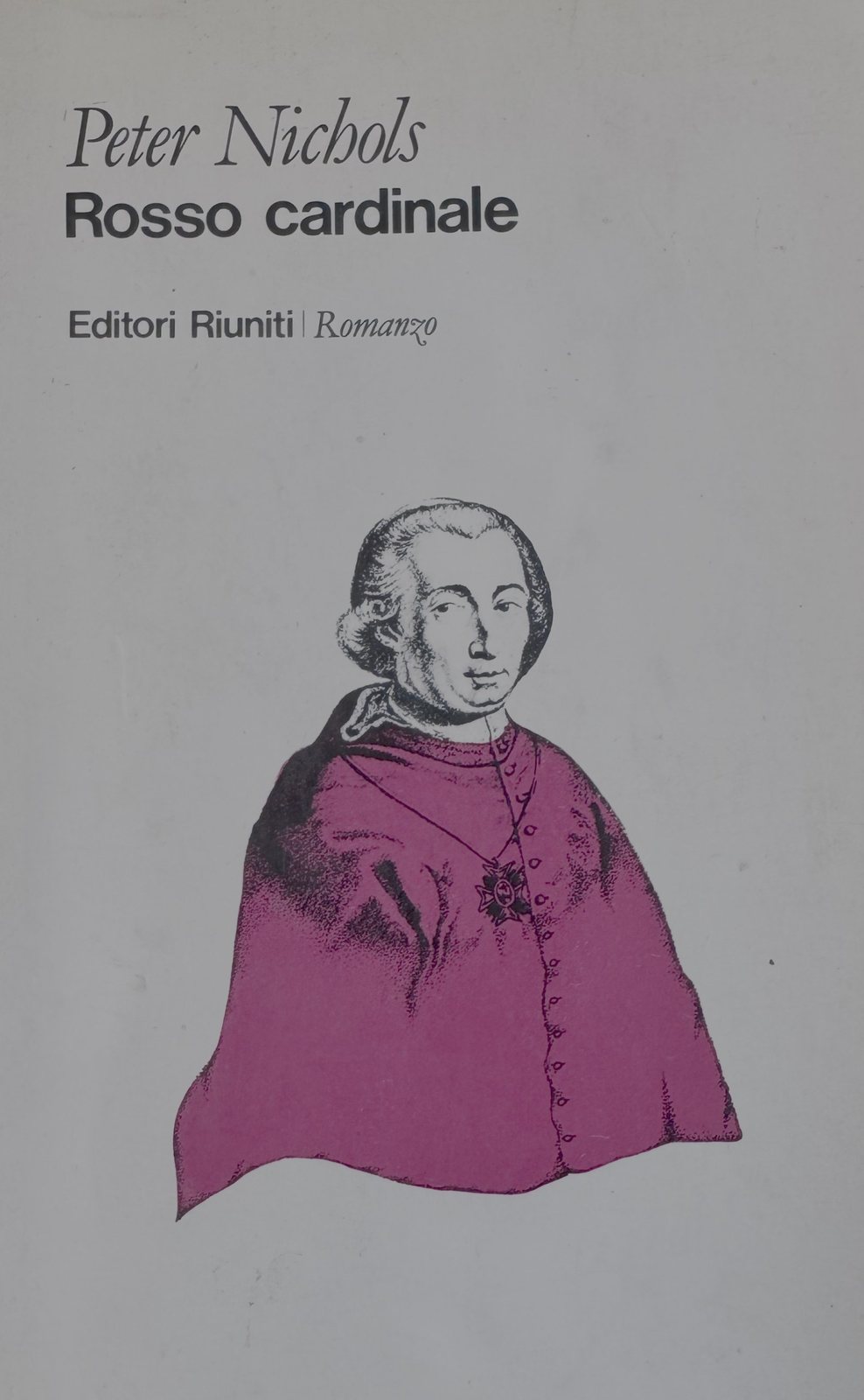
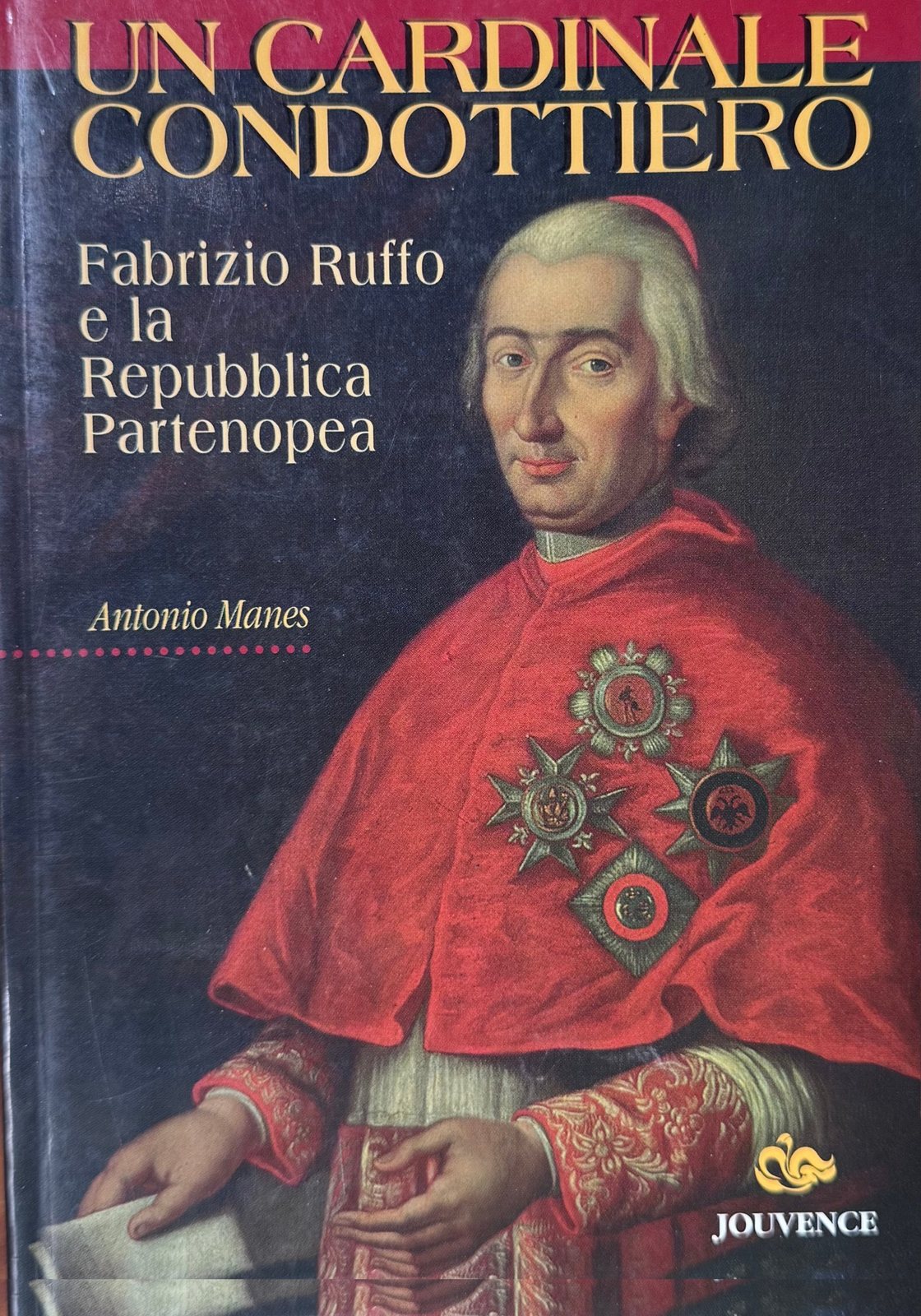
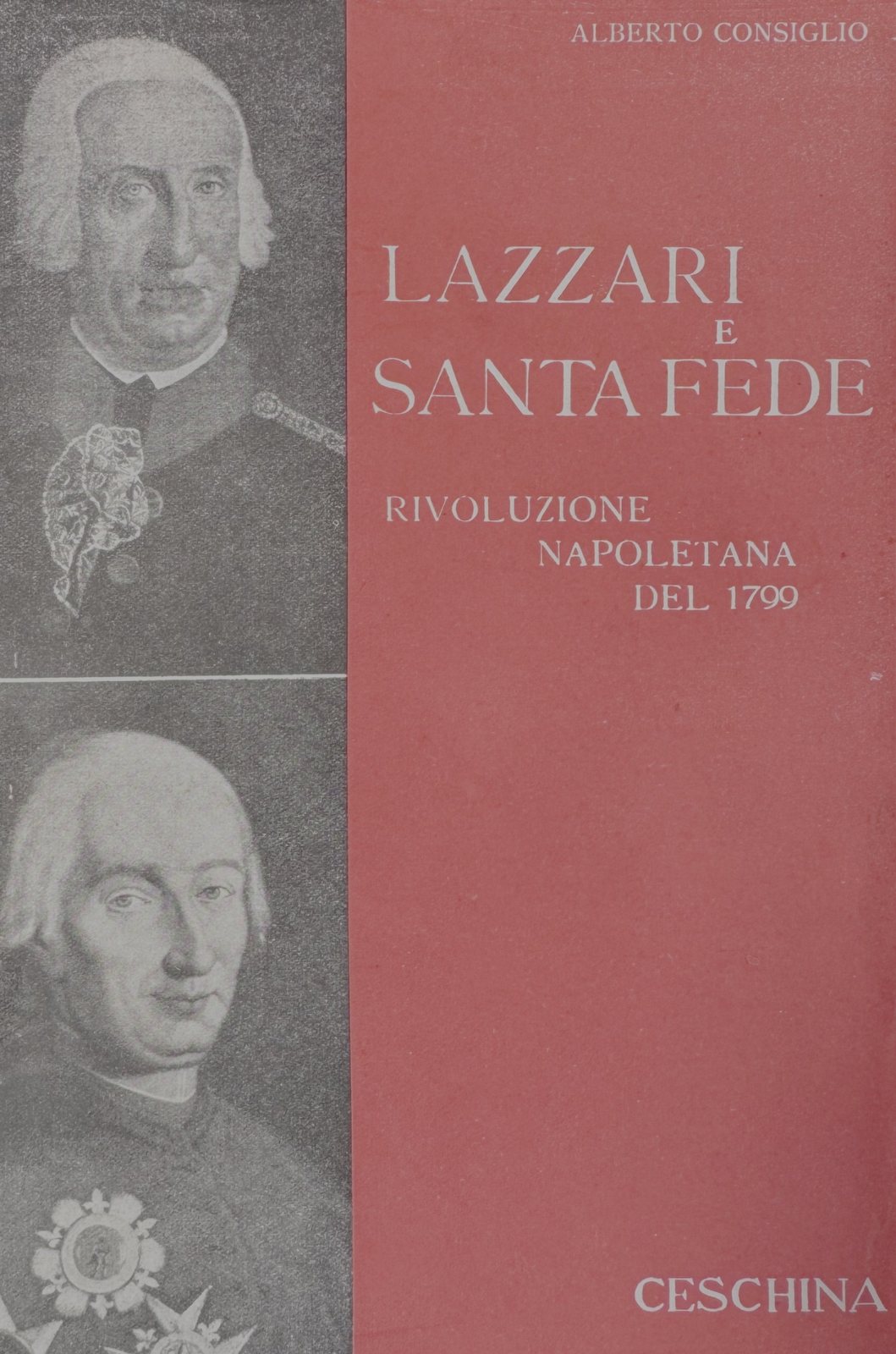
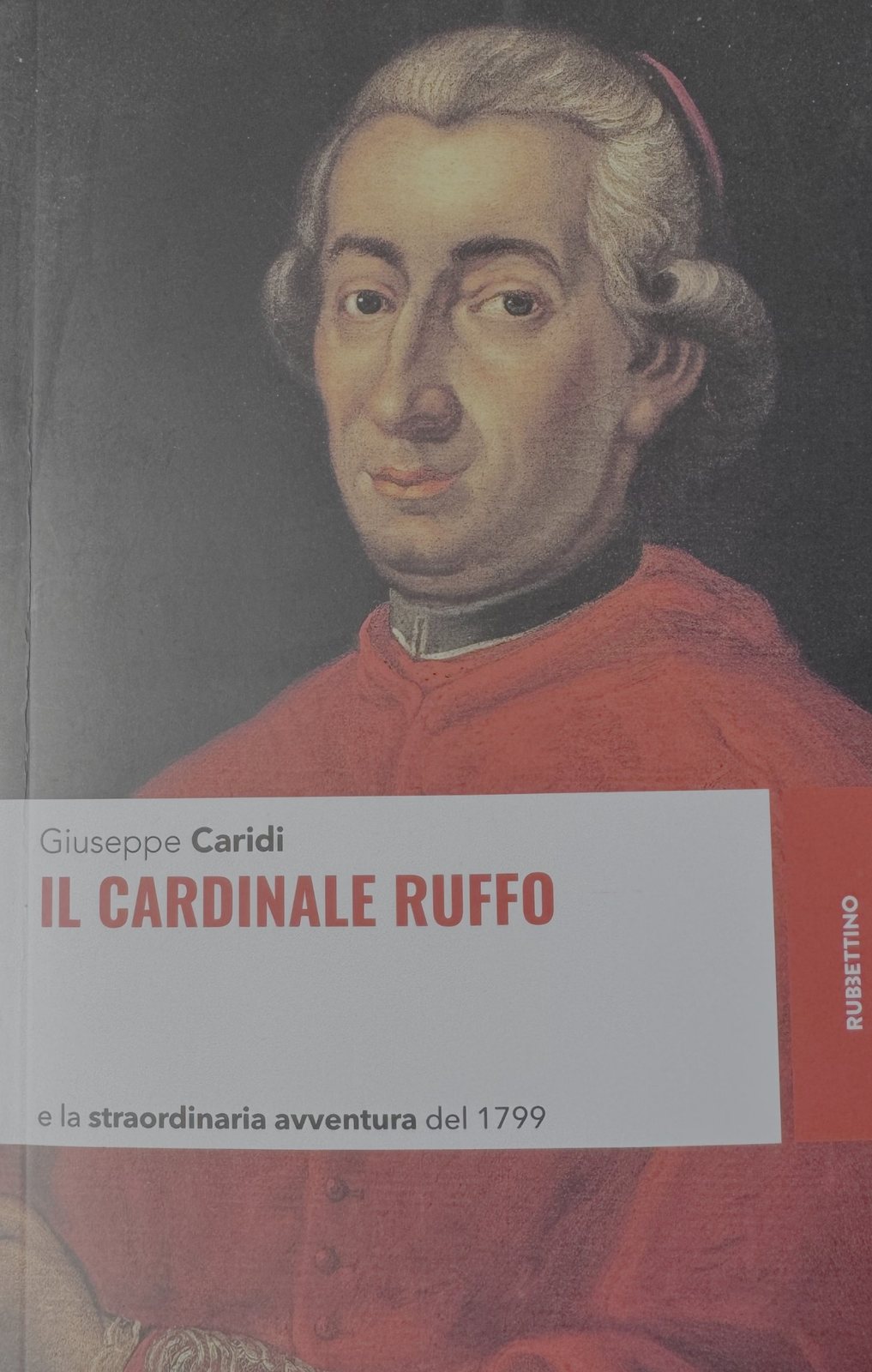
In 1799 he raised the Army of the Holy Faith in Calabria, made up largely of peasants, and marched up the peninsula to Naples. His campaign brought down the Neapolitan Republic and restored the Bourbons to the throne.
Books on the cardinal
Cardinal Luigi Ruffo
Sant'Onofrio, 25 August 1750 · Naples, 17 November 1832
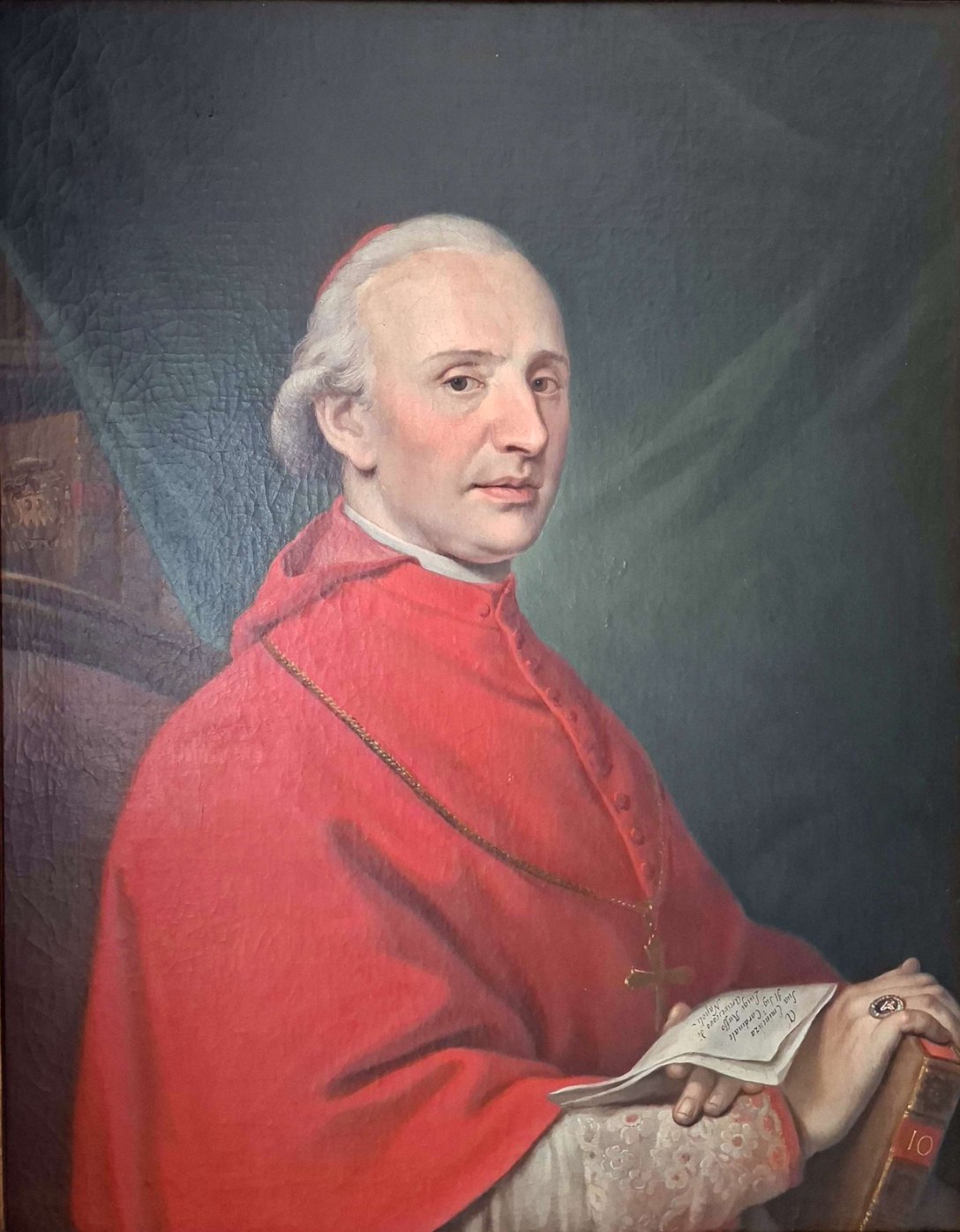
Also known as Luigi Ruffo Scilla, he was the son of Guglielmo Ruffo, Prince of Scilla, and Lucrezia Reggio. He took a degree in civil and canon law at La Sapienza in Rome and was ordained a priest in 1780.
In 1785 he became titular Archbishop of Apamea and Apostolic Nuncio to Tuscany. From 1793 he was nuncio to the Emperor in Vienna. Pope Pius VII created him a cardinal in 1801 and in 1802 appointed him Archbishop of Naples, an office he held for thirty years, until his death.
When the French arrived in 1806 he was removed from Naples and confined at Gaeta. He was later taken to France, to Paris and then to Saint-Quentin, and was one of the «black cardinals» whom Napoleon forbade to wear their red robes. He returned to Naples in 1815. He took part in the conclaves of 1823, 1829 and 1830–1831 and is buried in Naples Cathedral.
Paolo Ruffo, Prince of Castelcicala
Richmond, 2 July 1791 · Paris, 12 November 1865
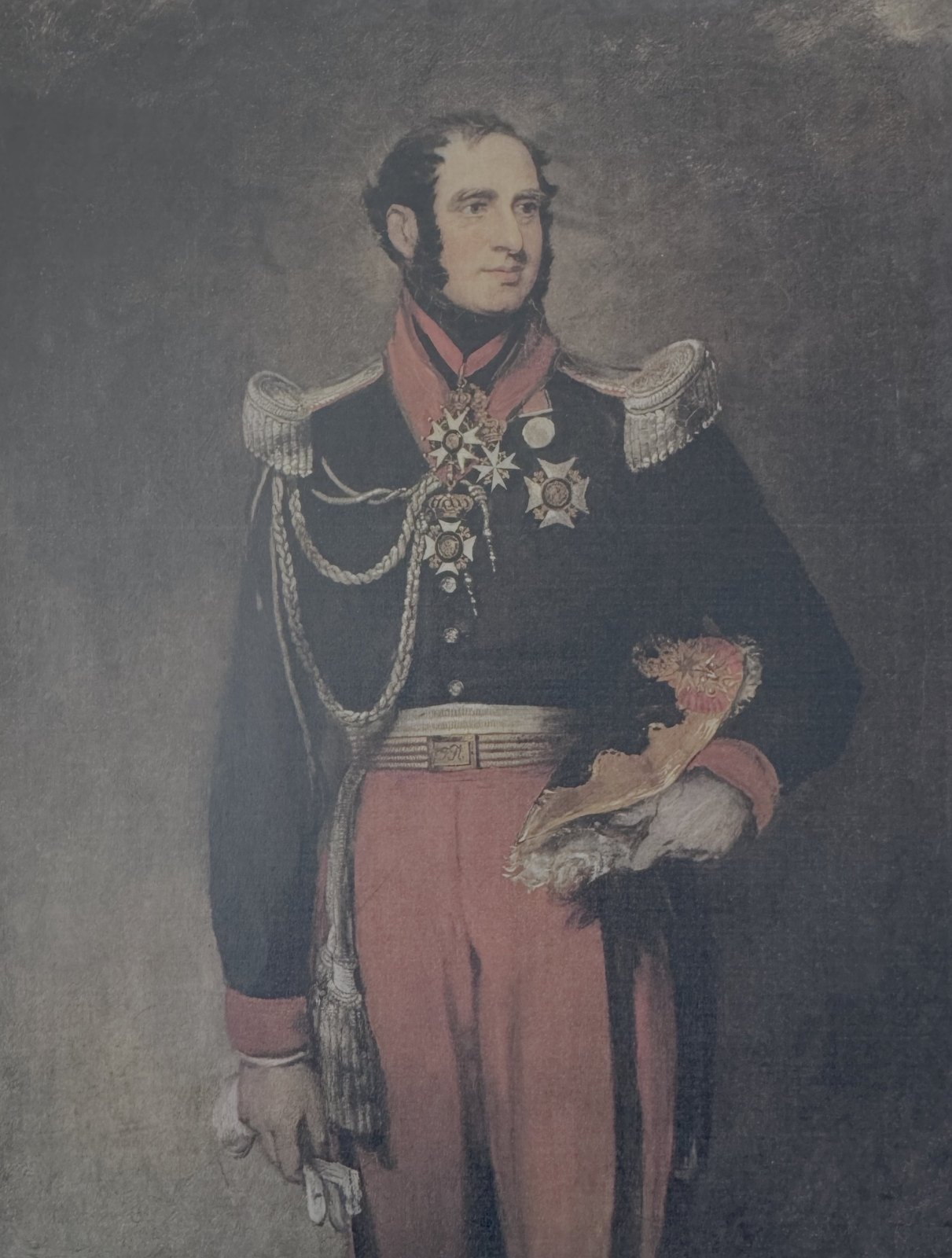
Son of Fabrizio Ruffo, Prince of Castelcicala and ambassador of the Kingdom of Naples in London, he was born in England and grew up in the British Army. In 1811 he joined the 6th (Inniskilling) Dragoons and by 1815 he was a lieutenant.
On 18 June 1815 he fought at Waterloo on the Duke of Wellington's staff, carrying orders across the battlefield. He was badly wounded and took about a year to recover. His Waterloo Medal was later placed on his coffin.
In 1832, on his father's death, he became Prince of Castelcicala and devoted himself to diplomacy for the Kingdom of the Two Sicilies, with postings in Russia, Austria and Great Britain. From 1855 to 1860 he was the King's Lieutenant General in Sicily. He left the post after Garibaldi's landing and spent his last years in Paris, where he died.
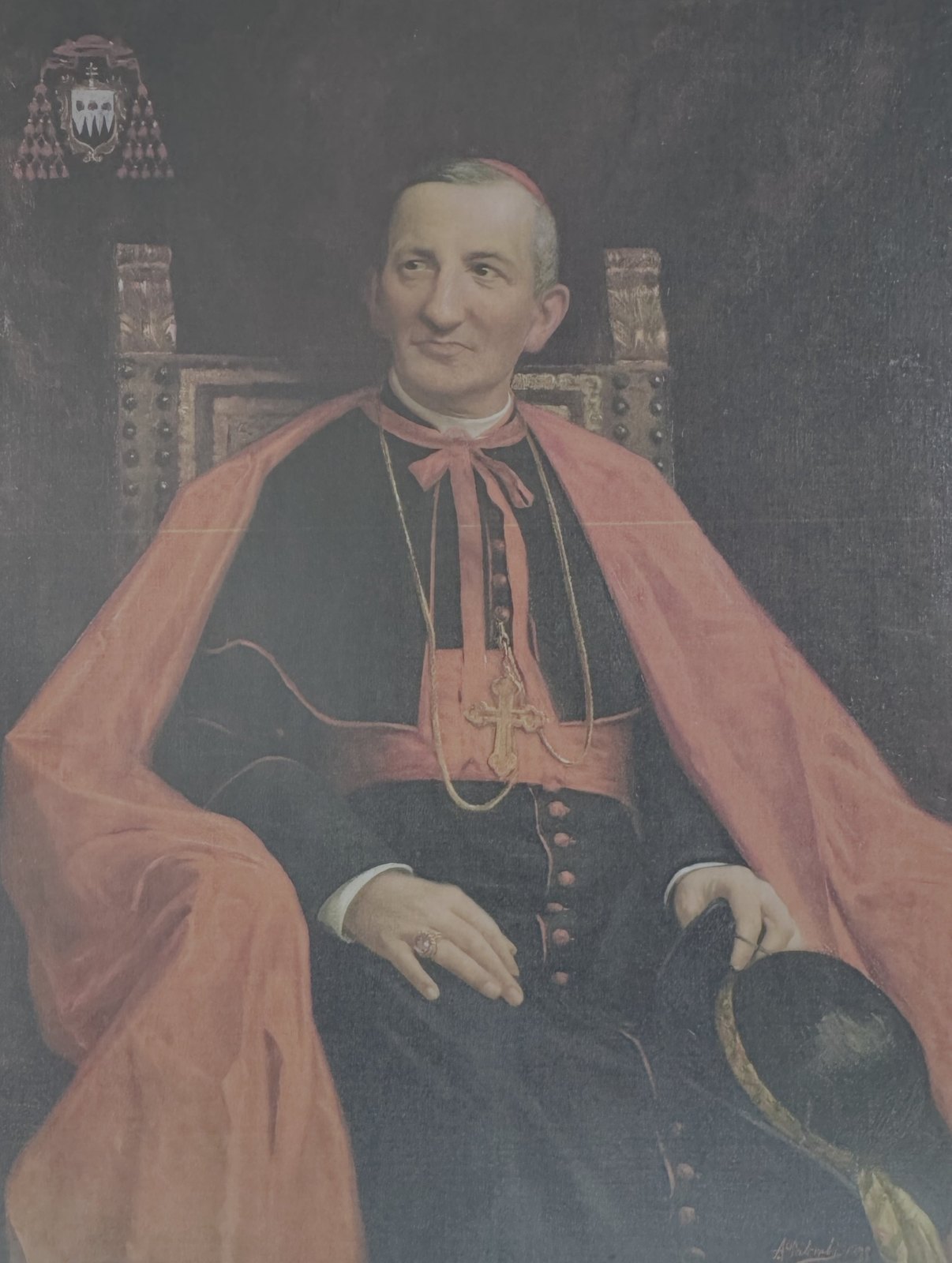
Cardinal Fulco Luigi Ruffo
Palermo, 6 April 1840 · Rome, 29 May 1895
Also known as Fulco Luigi Ruffo Scilla, he was the son of Fulco Ruffo, 9th Prince of Scilla, and Eleonora Galletti. He studied with the Barnabites and then at the Roman Seminary, where he took degrees in theology and in civil and canon law. He was ordained a priest in Rome in 1862.
In 1877 Pius IX appointed him Archbishop of Chieti, an office he held for ten years. In 1887 Leo XIII sent him as Apostolic Nuncio to Bavaria, and in 1889 called him back to Rome as Master of the Chamber of His Holiness and Prefect of the Apostolic Palaces.
Leo XIII created him a cardinal in the consistory of 14 December 1891, with the title of Santa Maria in Traspontina. From 1894 to 1895 he was Camerlengo of the College of Cardinals. He died in Rome at the age of 55.
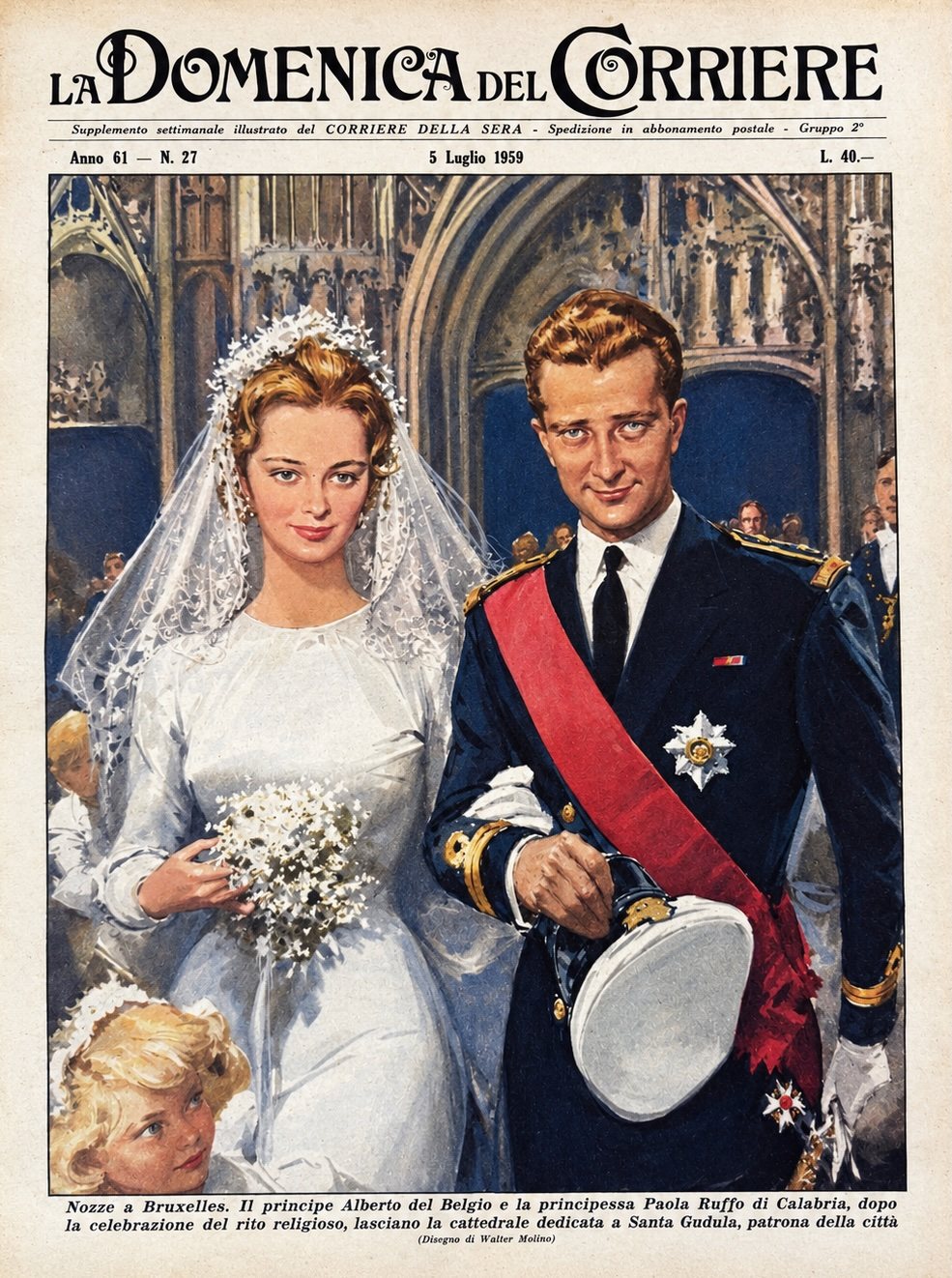
Paola, Queen of the Belgians
born in 1937
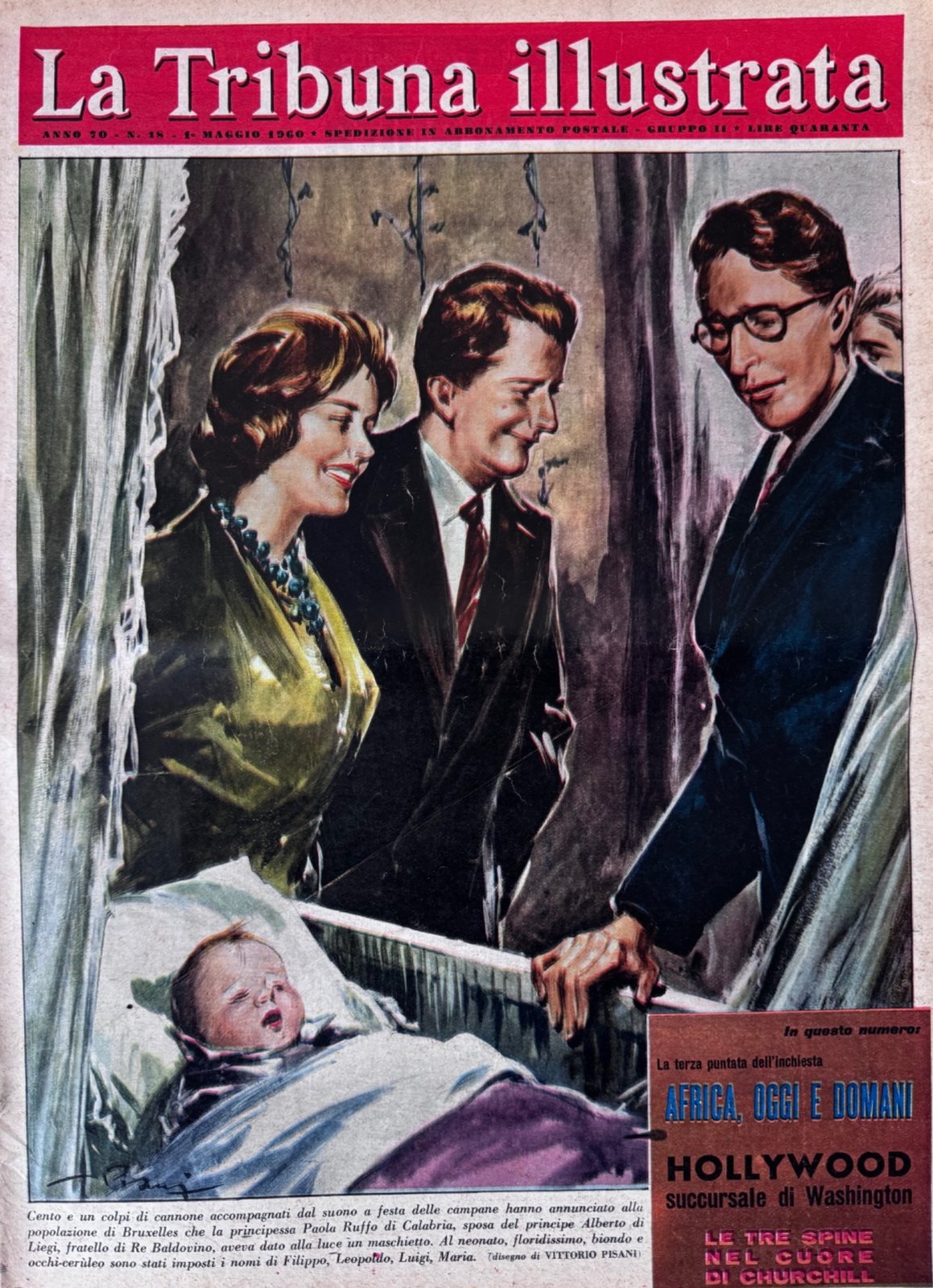
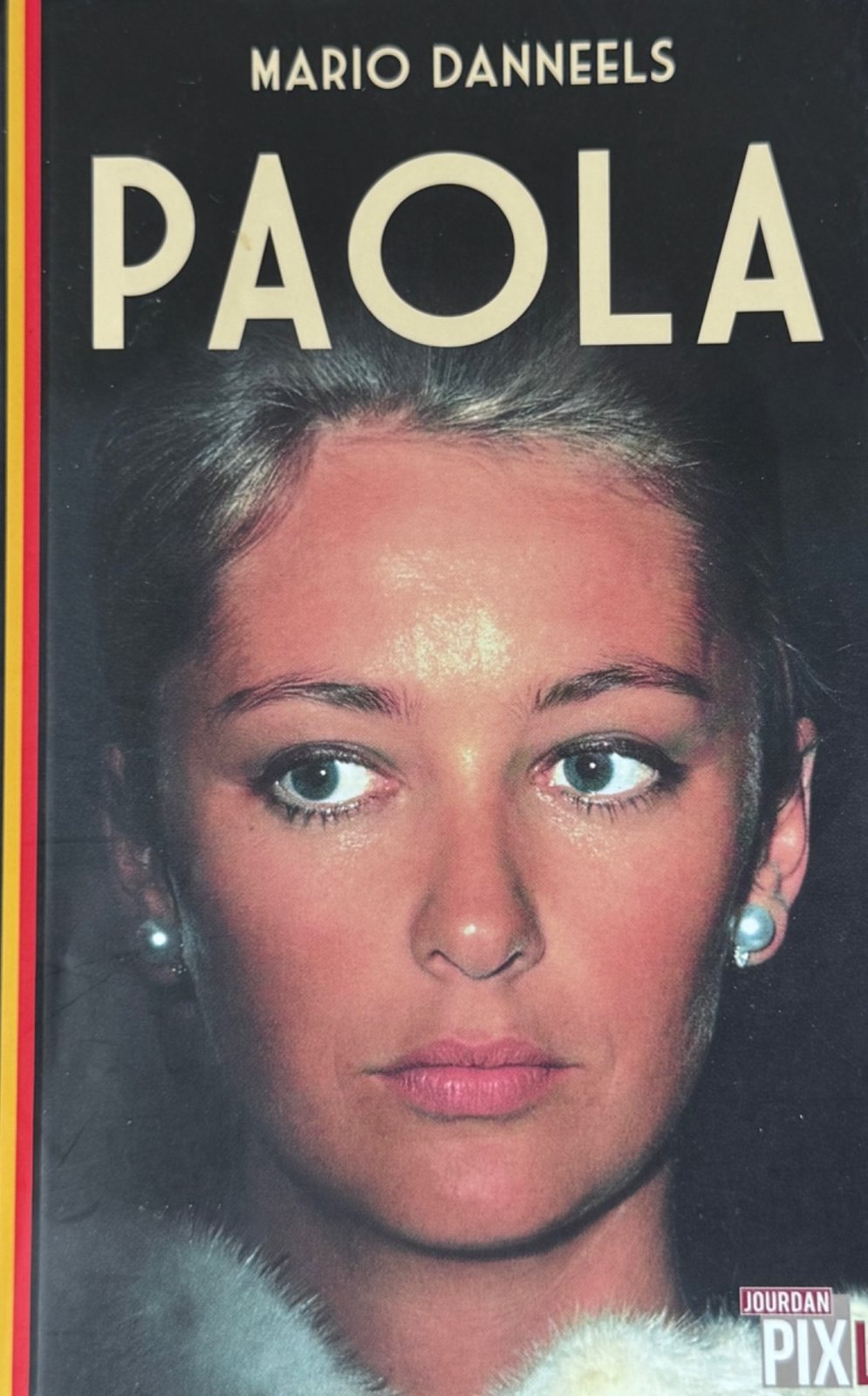
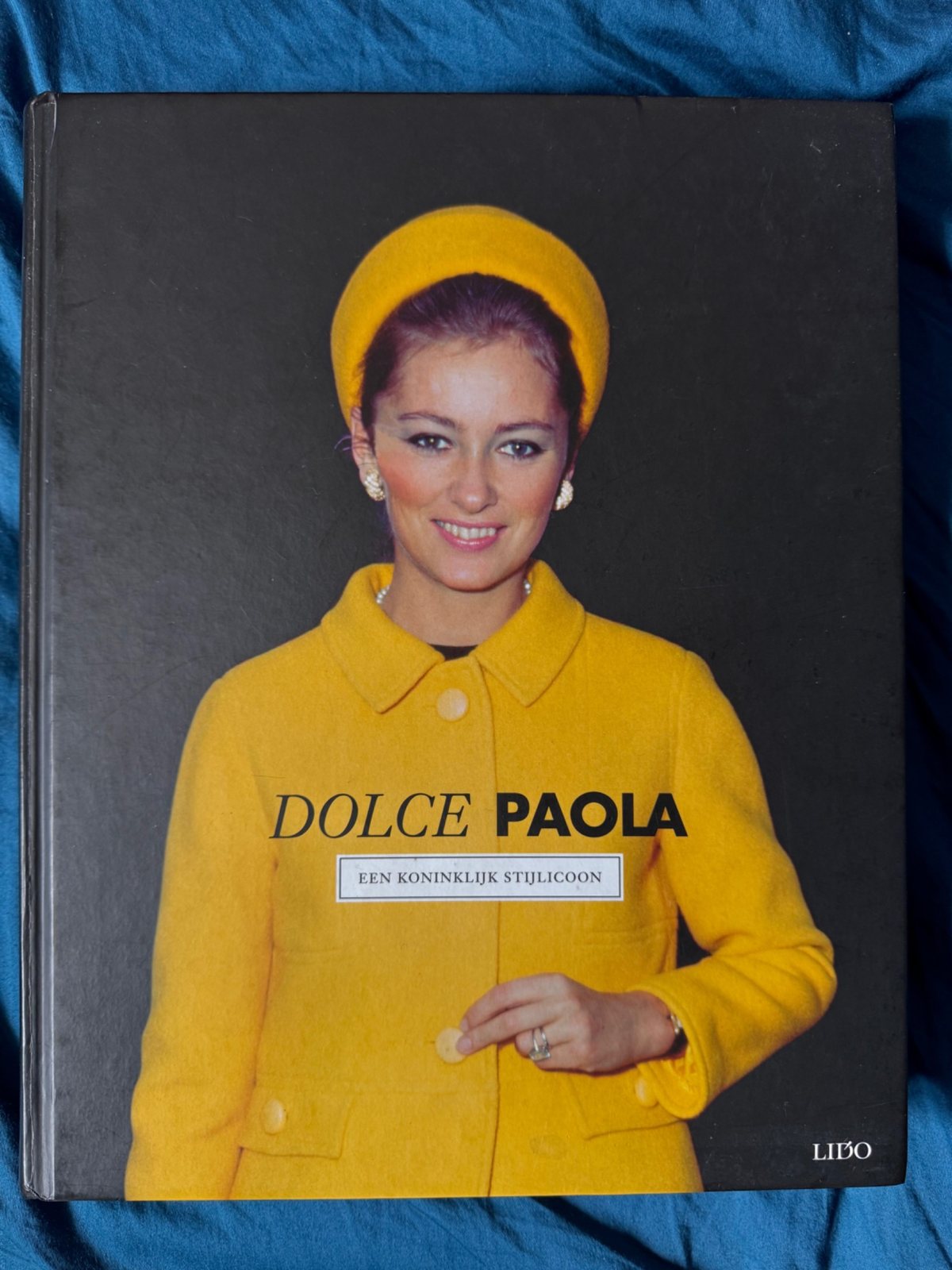
Fulco's daughter, she married Prince Albert of Belgium in 1959. In 1993 Albert came to the throne as Albert II, and Donna Paola Ruffo di Calabria became the sixth Queen of the Belgians.
Images and documents